
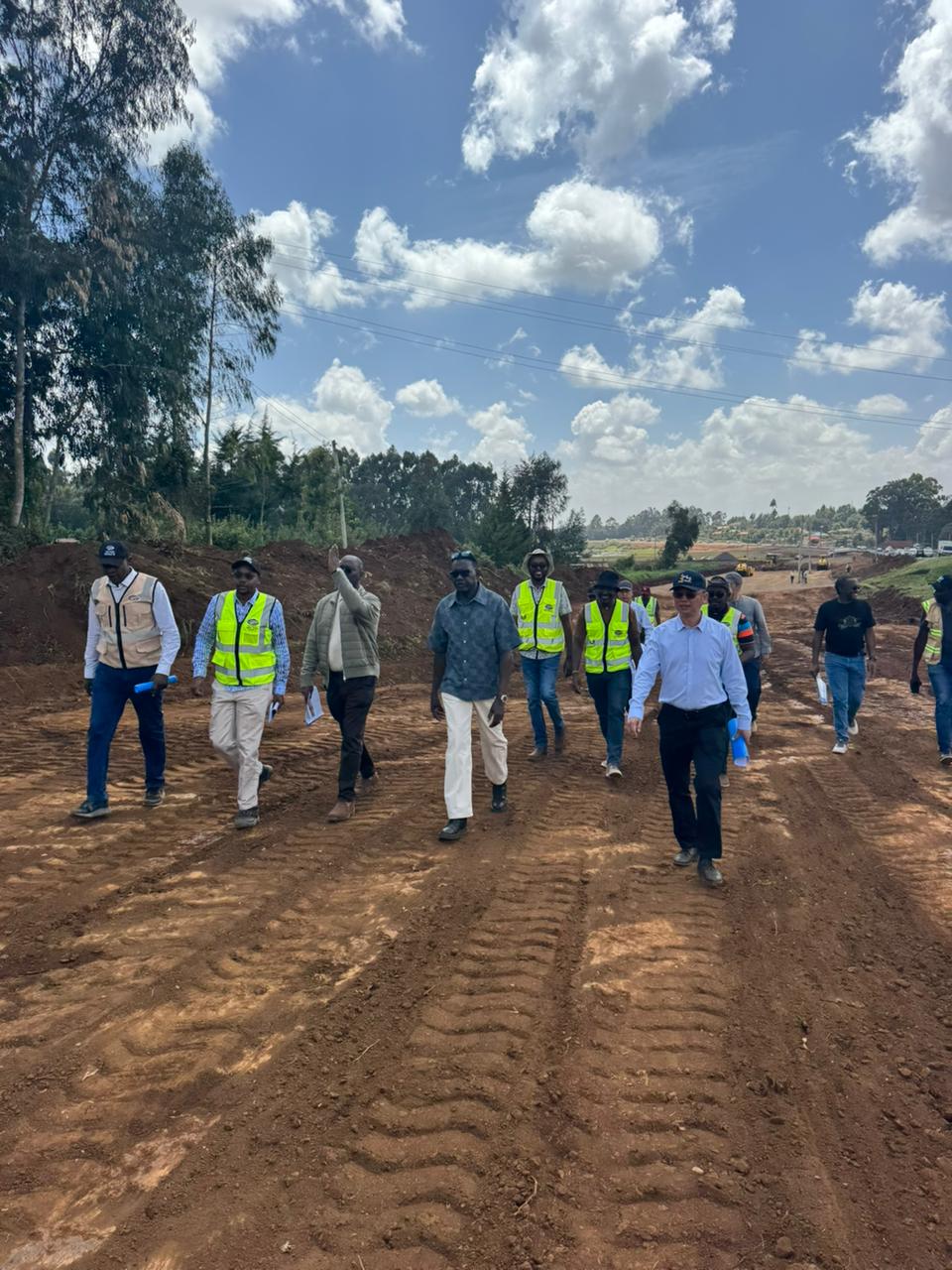
CS Chirchir inspects Rironi–Mau Summit Highway, hails progress made
Cabinet Secretary Davis Chirchir on Saturday 10th January, 2025 inspected ongoing construction works on the Rironi–Mau Summit Highway, expressing satisfaction with the pace and quality of work on one of Kenya’s most important regional transport corridors.
The CS said contractors had made commendable progress in the initial phase of the project, with works currently underway in several sections.
At Rironi, China Road and Bridge Corporation (CRBC) is constructing the first five kilometres, while another five kilometres are being worked on in Gilgil.
Shandong Construction Company has also mobilised at Kariandusi, where it is undertaking a 10-kilometre stretch, and at Mau Summit, where five kilometres are under construction.
“These are just part of the initial works programme, and we expect construction to scale up in more sections in the coming days,” Chirchir said, noting that the contractors had moved to site promptly and were working at a steady pace.
He said the government was encouraged by the level of mobilisation and coordination on the ground, adding that the positive momentum was critical for the timely delivery of the dualling project.
According to the CS, the construction is expected to generate about 10,000 jobs, with a strong focus on youth employment and skills transfer. He said local communities along the corridor will benefit from both direct employment and exposure to technical skills in road construction and related fields.
The Rironi–Mau Summit Highway forms part of the Northern Corridor, Kenya’s busiest transport route linking the Port of Mombasa to Nairobi, the Rift Valley, Western Kenya and landlocked countries in the region.
The section has for years been a major traffic bottleneck, particularly around Naivasha, Gilgil and the Mau Summit, where high volumes of heavy commercial vehicles, tourist traffic and long-distance buses converge. Congestion, frequent accidents and long travel times have been common, especially during peak hours and holiday seasons.
Chirchir said the dualling of the highway is a critical intervention aimed at easing congestion, improving road safety and facilitating faster and more efficient movement of goods and passengers.
“This corridor is vital for trade and regional integration. Improving its capacity will lower transport costs, reduce travel time and enhance the reliability of supply chains connecting Kenya to its neighbours,” he said.
The upgraded road is also expected to support key economic activities along the corridor, including tourism, agricultural production, and the movement of industrial goods between Nairobi and western parts of the country.
The Rironi–Mau Summit project is part of the government’s broader infrastructure programme under the Bottom-Up Economic Transformation Agenda, which prioritises transport and logistics as key enablers of economic growth, job creation and regional competitiveness.
Once completed, the dual carriageway is expected to significantly improve traffic flow and safety on one of Kenya’s most strategic highways, strengthening the country’s role as a regional transport and trade hub.